RAWIKnowledge Cube Platform
The Digital Intelligence Platform for Cultural Heritage
Integrating GIS, AI, VR and the knowledge of Islamic Civilization to preserve, explore and share our heritage with the world.
- AI
- GIS
- 3D / VR / XR
- Knowledge Graph
- Touch Table
- Preserve
- Explore
- Connect
- Learn
- Experience
Islamic Civilization for a brighter tomorrow

Explore the Knowledge Cube
Eight interconnected domains. One cultural knowledge ecosystem.
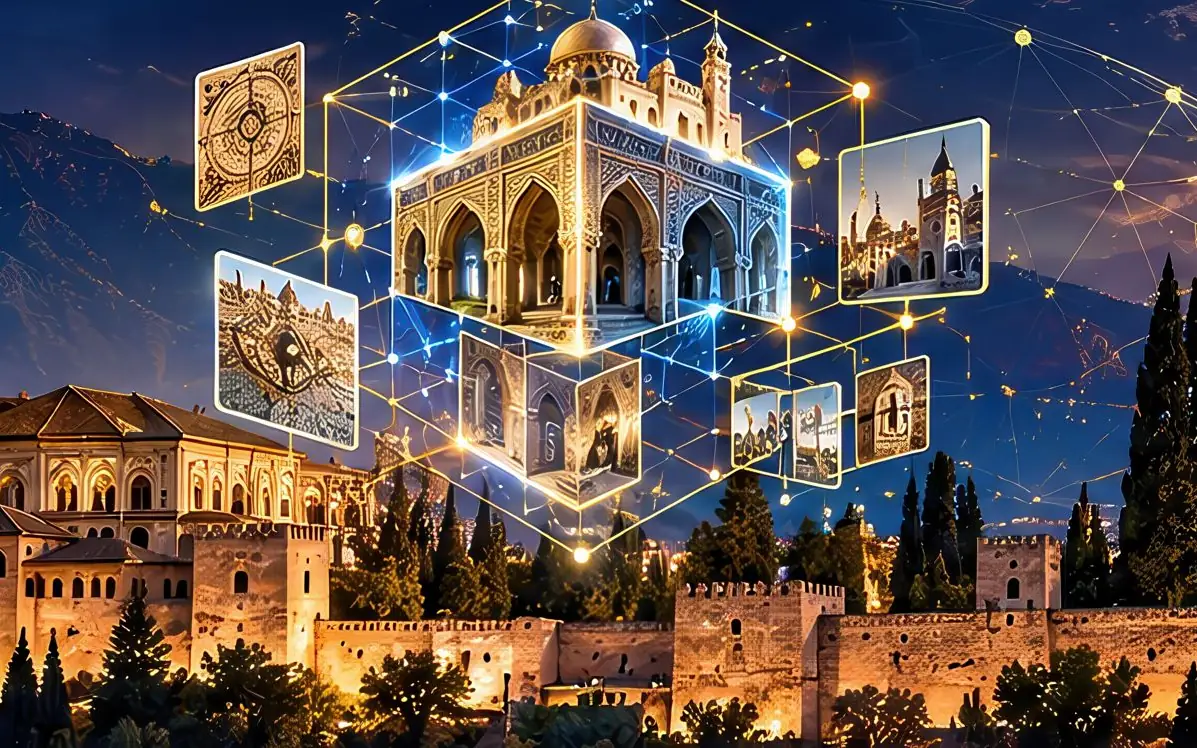
Locations & Dynasties
Countries, cities and ruling houses: the backbone every entry is placed in.
Register codes: R · L · D
Building Types
Mosques, madrasas, palaces, hospitals, caravanserais…
Register codes: BT
Building Components
Structural and functional components.
Register codes: BC
Building Elements
Arches, calligraphy, columns, mashrabiyya, mouldings, muqarnas…
Register codes: BE
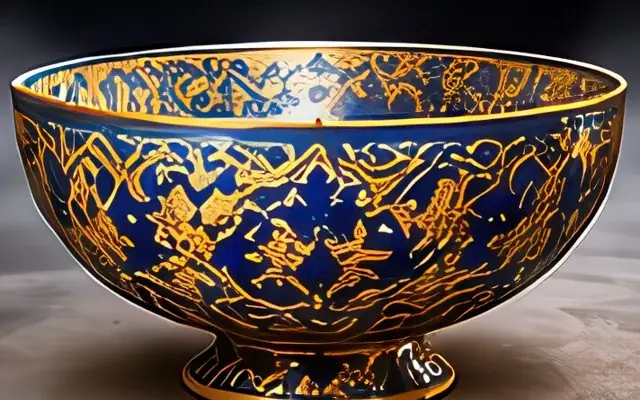
Products & Artifacts
Manuscripts, ceramics, metalwork, textiles, coins, scientific devices…
Register codes: PR
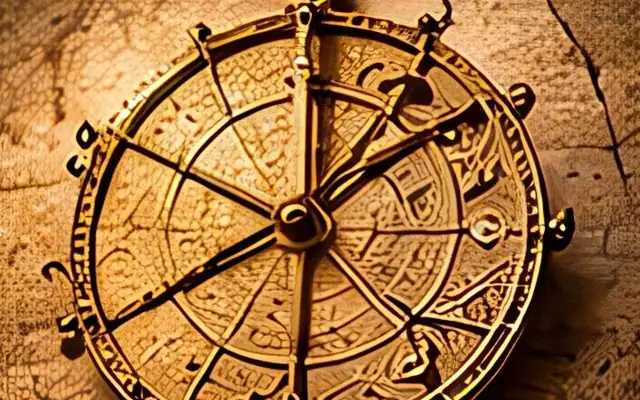
Sciences & Arts
Astronomy, geometry, medicine, music, philosophy…
Register codes: SC
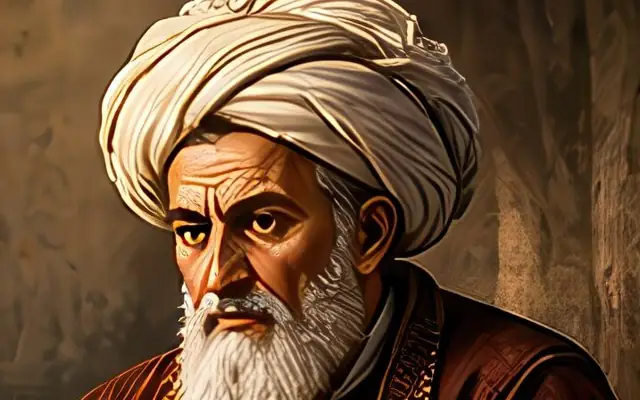
Scholars
36 scholars of Islamic Civilization.
Register codes: SK
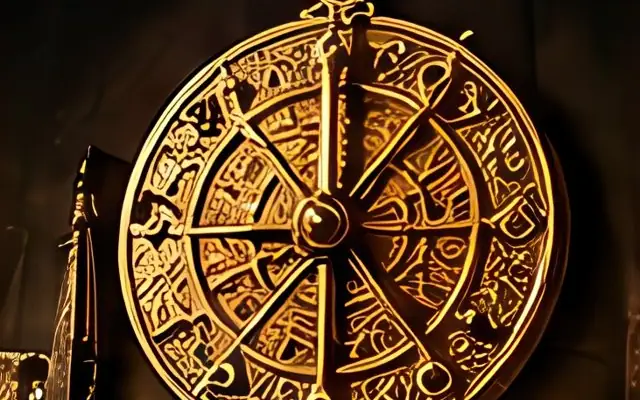
Inventions
88 inventions that shaped our world.
Register codes: INV
- 1 · DocumentCapture tangible and intangible heritage through surveys, imaging, archives and oral history, before it is lost.
- 2 · InterpretLink sites, objects and traditions to their historical meaning and their significance for communities today.
- 3 · TransmitShare heritage with communities, educators and future generations through tools that keep cultural memory alive.
The knowledge model · HHIC
The Hepteract Hypercube of Islamic Civilization
At the heart of the Knowledge Cube is a seven-dimensional knowledge model. Every place, building, object and idea is classified along the same seven dimensions and linked to the others, turning scattered narratives into one coherent network.
- LLocations · country, city
- DDynasties
- BTBuilding Types
- BCBuilding Components
- BEBuilding Elements
- PRProducts
- SCSociocultural Context · sciences & arts, inventions and scholars
- Side 1 · LDLocations & Dynasties
- Side 2 · BTBuilding Types
- Side 3 · BCBuilding Components
- Side 4 · BEBuilding Elements4.A arches · 4.B mouldings
- Side 5 · PRProducts
- Side 6 · SCSociocultural Context
- The cube asA knowledge baseLinked, classified entries with 3D models, archives and metadata.
- The cube asA selection tool in VRTurn the cube, choose from its six sides, explore the result.
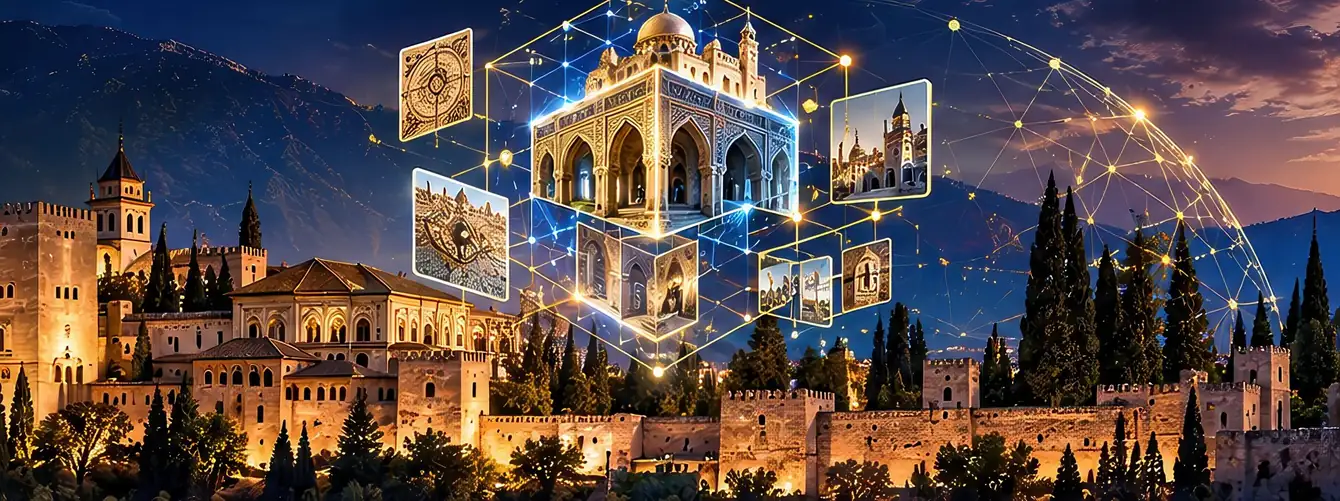
Everything is Connected
The Knowledge Cube reveals the relationships between places, buildings, scholars, inventions and cultural context, transforming them into explorable knowledge.
A Cairo minaret is not just a Cairo minaret. It links to its Fatimid and Mamluk predecessors, to Ottoman Istanbul through political history, and onward through stylistic descent. Association mapping, powered by a graph neural network, surfaces these links across every category.
- Locations39+ countries · 124+ cities
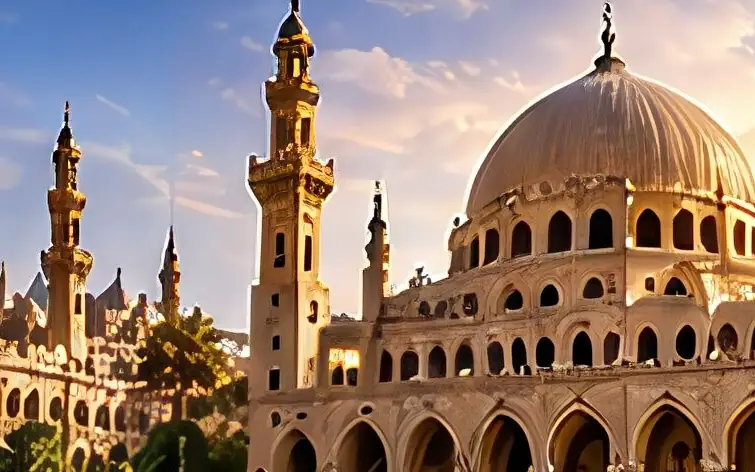 Dynasties36 dynasties
- Building TypesMosques, madrasas, palaces…
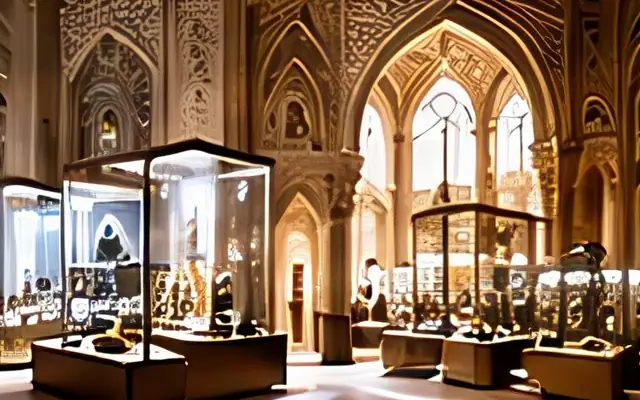 Museum CollectionsQur'ans, ceramics, metalwork…
- Building ComponentsColumns, domes, iwans…
- InventionsMechanical, astronomical, medical…
- ScholarsIbn al-Haytham, Ibn Sina, al-Khwarizmi…
- Sciences & ArtsMathematics, astronomy, medicine…
One Knowledge Cube · Many ways in
Three ways to experience the platform
One knowledge model powers three deployment systems. RAWI brings it to the web and to the touch table; its records are built and reviewed in a separate Data Entry app.
RAWI · KCWAP
Try it nowWeb application
A responsive web app built on WebGL and WebXR, for phones, tablets and laptops. Ideal for education, virtual tourism and personal research.
RAWI · KCITT
Interactive touch table
The flagship deployment, engineered in Singapore and assembled in the USA, for museums, heritage sites and universities. Tables from 43″ to 65″ 4K, plus a 31.5″ swing monitor and a 15.6″ portable display.
VUIIC · MVUI
Virtual user interface
A multi-layered virtual interface in an immersive cosmological setting, with a 3D Selections Cube and a modular VR tablet. Home of the Virtual Musepedia of Islamic Civilization.
Built for the Heritage Ecosystem
Knowledge Cube provides a common digital infrastructure for education, research, museums, heritage preservation, cultural tourism and immersive experiences.
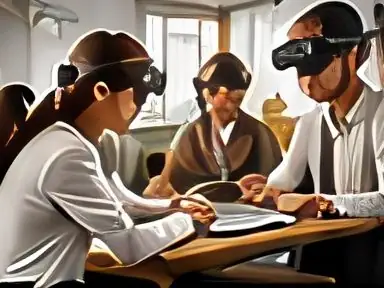
KCP Education
Transform heritage education through interactive knowledge and immersive learning.
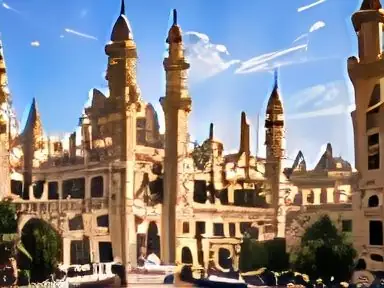
KCP Heritage
Document, organize and preserve cultural heritage.
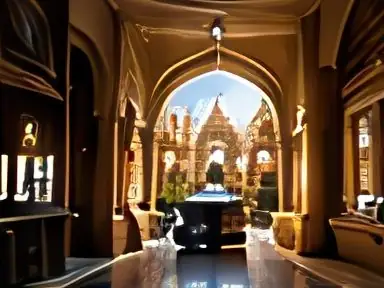
KCP Museum
Connect collections to knowledge.
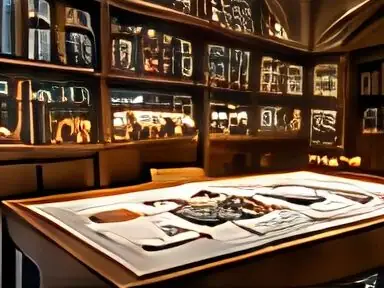
KCP Research
A structured environment for cultural research.
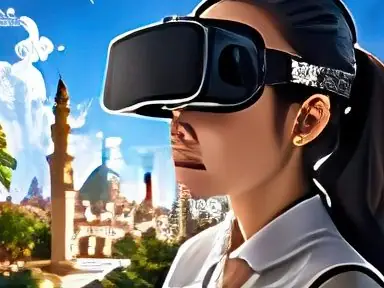
KCP XR & Tourism
Experience history in immersive environments.
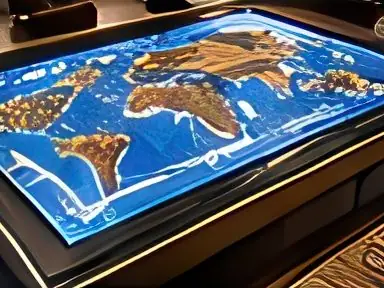
KCP Touch Table
Knowledge at your fingertips.
Featured digital heritage projects
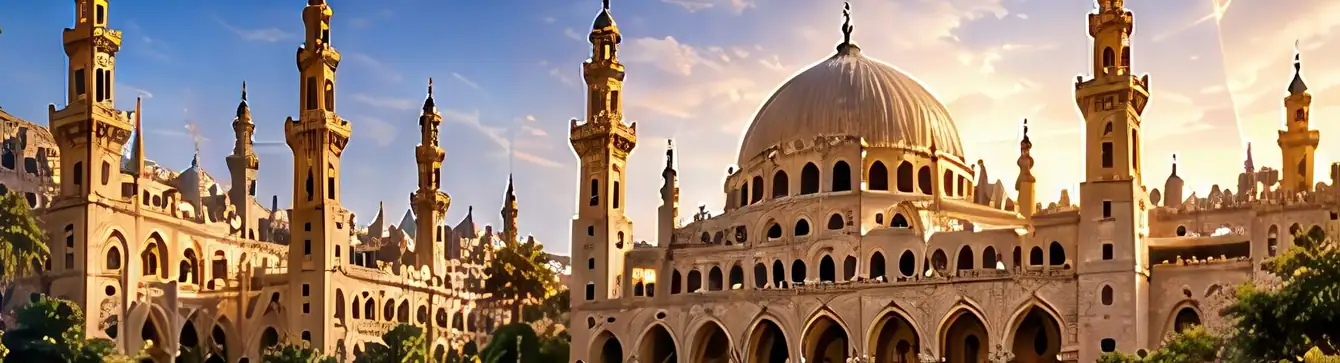
Reconstructing the Memory of Mamluk Cairo
The Sultan Qalawun Complex is one of the buildings showcased in the Knowledge Cube. It shows how the platform moves from the historic city map down to a single arch, combining historical research, architectural knowledge and immersive visualization.
- 1284–1285 CE · 682–684 AH
- Cairo, EgyptCity codeL0601
- MamluksDynasty codeD15
- City map
- Building type
- Component
- Element
- Details & characteristics
Connect the World's Museum Collections
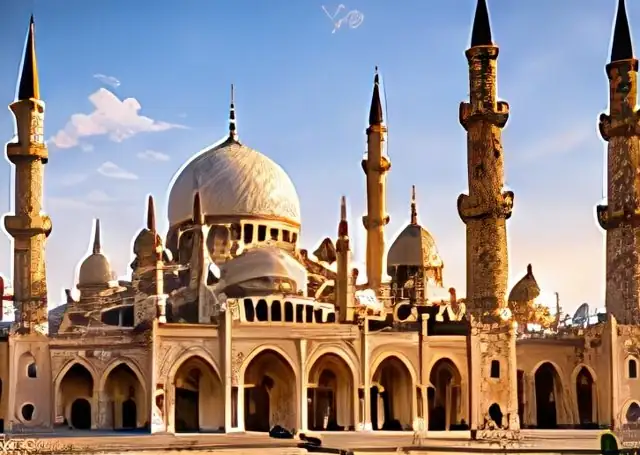
Explore artifacts, architectural elements and cultural objects from the most-visited museums of Islamic Civilization, integrated with the Knowledge Cube.
24 museums in the register; a selection is shown here.
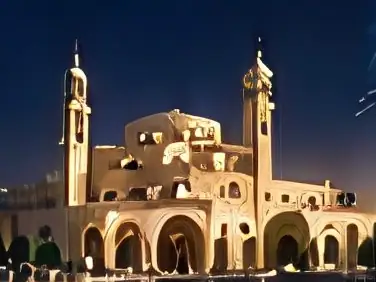
Museum of Islamic Art
DohaMU02
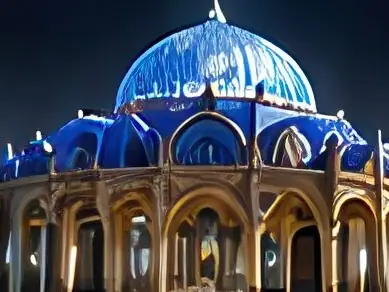
Islamic Arts Museum Malaysia
Kuala LumpurMU07
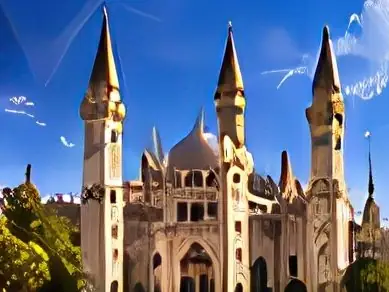
Topkapi Palace Museum
IstanbulMU08
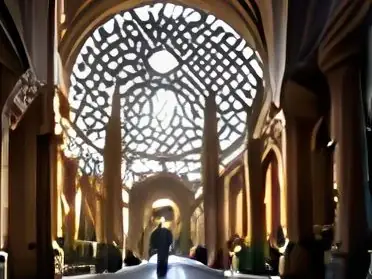
The British Museum (Albukhary Gallery)
LondonMU13
- Photo to come
Museum of Islamic Art
CairoMU01
- Photo to come
Aga Khan Museum
TorontoMU10
- Photo to come
Department of Islamic Art (Louvre)
ParisMU12
- Photo to come
Museum of Islamic Art at the Met
New YorkMU21
Knowledge Cube at a Glance
From the Knowledge Cube register · October 2026
- Countries
- 39+
- Cities
- 124+
- Dynasties
- 36
- Scholars
- 36
- Inventions
- 88
- Museums
- 24
Search & research tools
Heritage as a connected system, not a static catalog
Search finds an item. Six research tools then interpret and connect it, from the raw record to a full XR reconstruction, and each can be scoped to a period on the timeline.
Patented software · VMIC is a trademark of AVRA
Data Acquisition
Pulls in the raw records, media and measurements for an item.
Characteristics Analysis
Extracts structured features: form, material, ornamentation and more.
Comparison Engine
Scores two chosen items against each other, side by side.
Association Mapping
A graph neural network scores an item's neighbours by dynasty, location and typology, so you can follow the links.
3D Interaction
Touch, rotate and examine a 3D model directly on the screen.
XR Transition
Hands the experience to a headset, so you can step inside the reconstruction.
Bring Your Heritage into the Knowledge Cube
Whether you represent a university, museum, heritage authority, government or cultural organization, AVRA can configure the Knowledge Cube around your collections, research and educational requirements.